

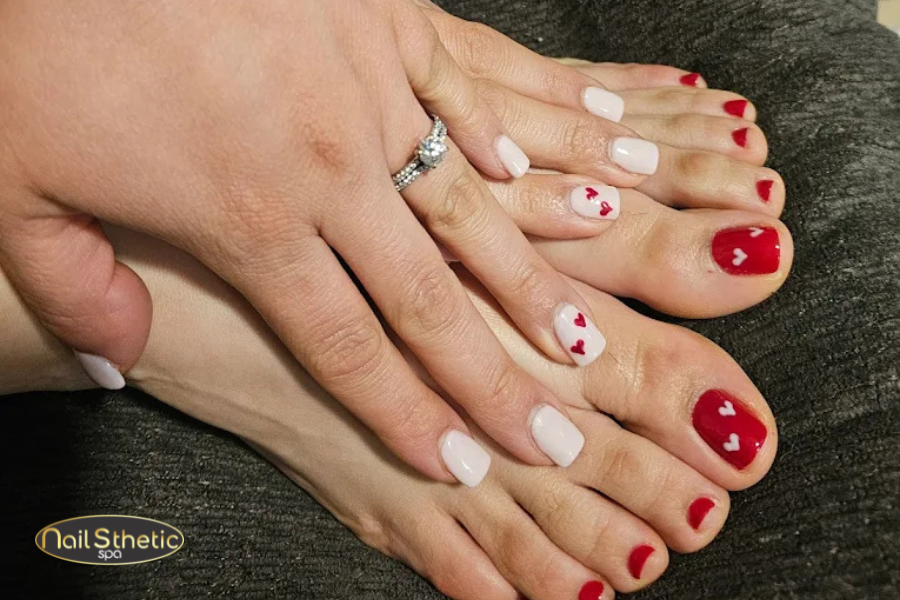
A pedicure is more than just a relaxing treat for your feet. It can help keep your feet clean, your toenails well-groomed, and your skin smooth and healthy. If you do not always have time for a salon visit, learning how to do a pedicure at home can be a simple and convenient option.
A home pedicure can save money and give you the freedom to care for your feet whenever you want. Whether you want to pamper your feet after a long week or prepare for sandal season, a DIY pedicure can help you enjoy smooth, beautiful feet with a few simple steps.
In this guide, we’ll show you how to do a pedicure at home, how often you should get a pedicure, and how to care for your feet between pedicures.
Why Are Pedicures Important?
Pedicures do more than make your feet look good. Regular foot care can help keep your toenails trimmed, remove dead skin, and maintain soft and clean feet.
Some benefits of regular pedicures include:
- Foot Hygiene: Pedicures help remove dirt, sweat, and dead skin that can build up on your feet.
- Nail Care: Trimming and shaping your toenails can help keep them neat and comfortable.
- Callus Care: Exfoliation and gentle foot care can help reduce rough and dry areas.
- Healthy-Looking Feet: Regular moisturizing can help keep your feet soft and smooth.
- Relaxation: A warm foot soak and gentle massage can make a pedicure a relaxing self-care routine.
Regular foot care is also useful for noticing changes such as redness, swelling, cuts, blisters, or other problems early.
How to Do a Pedicure at Home
Doing a pedicure at home does not have to be complicated. Follow these simple steps to care for your feet and toenails.
Step 1: Gather Your Tools and Products
Before you start, make sure you have everything you need.
You may want:
- Nail clippers
- Nail file
- Cuticle pusher
- Basin or foot soak
- Warm water
- Epsom salts or foot soak
- Exfoliating scrub
- Pumice stone or foot file
- Towel
- Foot cream or moisturizing lotion
- Base coat
- Nail polish
- Top coat
- Cotton balls or pads
- Nail polish remover
Using clean tools is important, especially when trimming and caring for your toenails.
Step 2: Soak Your Feet
Start by soaking your feet in a basin of warm water.
You can add a foot soak or Epsom salts if you prefer. Soaking helps soften the skin and makes it easier to care for rough areas.
Soak your feet for about 10–15 minutes. Use this time to relax before moving on to the next step.
Step 3: Trim and Shape Your Toenails
After soaking, dry your feet with a clean towel.
Use nail clippers to trim your toenails. Avoid cutting them too short. Keep the shape neat and comfortable, then use a nail file to smooth rough edges.
Do not aggressively cut around the corners of your toenails. Keeping the nails properly trimmed can help prevent discomfort and nail problems.
Step 4: Take Care of Your Cuticles
Next, gently push back your cuticles with a clean cuticle pusher.
Be gentle and avoid pushing too hard because the skin around your toenails can become irritated.
If you have excess cuticle growth, use clean tools carefully. Avoid cutting healthy skin around the nail.
Step 5: Exfoliate Your Feet
Now it is time to exfoliate.
Apply an exfoliating scrub to your feet and massage it gently in circular motions. Pay extra attention to areas that commonly become rough, such as:
- Heels
- Balls of the feet
- Sides of the feet
- Around the toes
After exfoliating, rinse your feet and dry them with a clean towel.
Step 6: Smooth Rough Skin and Calluses
If you have rough skin or calluses, you can use a pumice stone or foot file.
Gently move the pumice stone over the rough areas. Do not scrub too hard or try to remove too much skin at once.
Your feet should feel smoother, not sore or raw.
If you have cuts, broken skin, or irritated areas, avoid rubbing those areas.
Step 7: Moisturize Your Feet
After exfoliating and smoothing your feet, apply a generous amount of foot cream or moisturizing lotion.
Massage the cream into your feet, especially your heels and other dry areas.
Regular moisturizing can help keep your feet soft between pedicures.
For extra relaxation, you can wrap your feet in a warm towel for a few minutes after applying moisturizer.
Step 8: Apply Base Coat, Nail Polish, and Top Coat
If you want polished toenails, start with a thin layer of base coat.
Once it dries, apply your favorite nail polish in thin layers. Allow each layer to dry before applying another.
Finish with a top coat to add shine and help protect the polish.
If you are doing a simple home pedicure without polish, you can skip this step and simply keep your toenails clean and moisturized.
Step 9: Let Your Toenails Dry Completely
Give your toenails enough time to dry before putting on socks or walking around.
Depending on the number of polish layers, drying can take around 20 minutes to an hour.
Avoid touching or pressing your toenails while the polish is still wet.
Step 10: Clean Up
After your toenails are completely dry, use a cotton pad and a small amount of nail polish remover to clean any polish that may have touched the skin.
Be careful not to touch the freshly painted nail surface.
How Often Should You Get a Pedicure?
There is no single schedule that works for everyone. How often you should get a pedicure depends on your lifestyle, foot condition, nail growth, and personal preference.
For Healthy Feet: Every 4–6 Weeks
If your feet are healthy and you do not have specific concerns, getting a pedicure every 4–6 weeks can be enough for regular maintenance.
This schedule can help you keep your toenails trimmed and manage dead skin and calluses.
For Active Lifestyles: Every 3–4 Weeks
If you run, hike, exercise regularly, or spend a lot of time on your feet, you may prefer a pedicure every 3–4 weeks.
Regular foot care can help you manage rough skin and keep your toenails well-groomed.
For Dry or Cracked Skin: Every 2–3 Weeks
If your feet become very dry or rough, you may need more frequent foot care.
A pedicure every 2–3 weeks can help you stay on top of exfoliation and moisturizing. However, avoid excessive exfoliation because too much scrubbing can irritate the skin.
For Special Occasions: As Needed
If you have a wedding, vacation, party, or another special event, you can schedule a pedicure before the occasion.
A fresh pedicure can help your feet and toenails look clean and polished.
How to Care for Your Feet Between Pedicures
Taking care of your feet between pedicures is just as important as the pedicure itself.
Moisturize Regularly
Apply foot cream or moisturizer regularly, especially after bathing or showering. Pay special attention to dry areas such as your heels.
Exfoliate Gently
Use an exfoliating scrub or pumice stone gently when needed. Avoid aggressive scrubbing because it can irritate the skin.
Keep Your Toenails Trimmed
Trim your toenails regularly and avoid cutting them too short. Keeping them at a comfortable length can help prevent discomfort.
Wear Comfortable Shoes
Choose shoes that fit properly and provide enough room for your toes. Shoes that are too tight can put unnecessary pressure on your feet and toenails.
Avoid Going Barefoot in Public Places
Pools, gyms, locker rooms, and other shared areas can expose your feet to germs. Wearing appropriate footwear in these places can help protect your feet.
Check Your Feet Regularly
Take a few moments to check your feet for:
- Cuts
- Blisters
- Redness
- Swelling
- Irritation
- Changes in your toenails
If you notice something unusual or concerning, consider getting advice from an appropriate healthcare professional.
What Should You Avoid During a Pedicure?
Some habits can cause unnecessary irritation or damage.
Avoid:
- Cutting your toenails extremely short
- Cutting healthy skin around your toenails
- Scrubbing calluses too aggressively
- Using dirty nail tools
- Picking at damaged skin
- Ignoring pain, swelling, or irritation
- Sharing personal nail tools without proper cleaning
Gentle and consistent foot care is usually better than trying to remove everything in one session.
Can You Do a Pedicure at Home or Should You Visit a Salon?
A home pedicure can be convenient when you want basic foot and nail care. You can soak, trim, file, exfoliate, moisturize, and polish your toenails at home.
However, a professional pedicure can provide a more consistent experience and professional care. A trained nail technician can also help you choose the right service based on your nails and preferences.
If you have persistent foot or nail concerns, pain, swelling, or signs of infection, a pedicure is not a substitute for medical care.
Frequently Asked Questions
How often should you get a pedicure?
For many people with healthy feet, a pedicure every 4–6 weeks can be enough. People with active lifestyles may prefer every 3–4 weeks, while those dealing with dry or rough skin may need more frequent care.
Can I do a pedicure at home?
Yes. A basic home pedicure can include soaking your feet, trimming and filing your toenails, caring for your cuticles, exfoliating, smoothing rough skin, moisturizing, and applying polish.
How long should I soak my feet before a pedicure?
For a basic home pedicure, soaking your feet for about 10–15 minutes can help soften the skin before you trim, exfoliate, and care for your feet.
How can I keep my feet soft between pedicures?
Moisturize your feet regularly, gently exfoliate rough areas, keep your toenails trimmed, and wear comfortable shoes.
Can I use a pumice stone during a home pedicure?
Yes. A pumice stone can be used gently on rough areas and calluses. Avoid aggressive scrubbing and do not use it over cuts or irritated skin.
Is a professional pedicure better than a home pedicure?
Both can be useful. A home pedicure is convenient for basic maintenance, while a professional pedicure can provide professional nail and foot care.
Conclusion
Learning how to do a pedicure at home can make regular foot care simple and convenient. By soaking your feet, trimming and shaping your toenails, caring for your cuticles, exfoliating, smoothing rough areas, and moisturizing, you can keep your feet looking and feeling their best.
How often you should get a pedicure depends on your foot condition, lifestyle, and personal needs. For many people, every 4–6 weeks is a good general schedule, while active lifestyles or dry skin may require more frequent care.
If you prefer professional care, Nailsthetic Spa in Corona, CA offers pedicures and other nail services to help you maintain clean, beautiful, and well-groomed feet. Regular professional care combined with simple home maintenance can help you enjoy healthier-looking feet between appointments.